Your Dog Is Slowing Down. Here Is What Is Normal and What Is Not
What ordinary ageing looks like
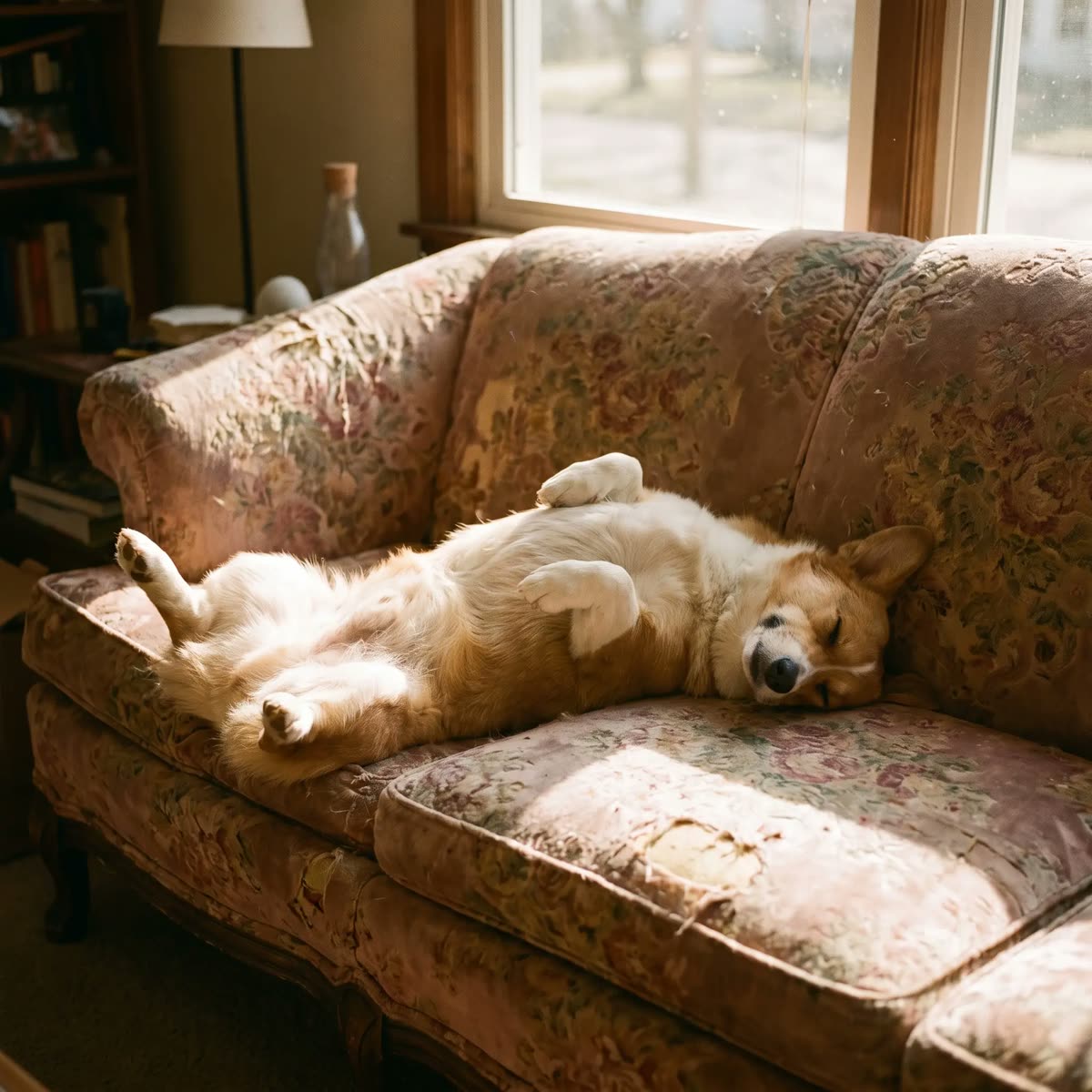
Dogs age the way people do, unevenly and mostly quietly. Sleeping more, taking the stairs one at a time, greying around the muzzle and eyes, being slower to get up after a long lie down, becoming choosier about weather. None of that needs fixing. It needs accommodating.
The useful mental shift is from "keeping them young" to "keeping them comfortable". A fourteen-year-old dog does not need longer walks. They need walks that suit the dog they are now, which is often two short ones instead of one long one.
Changes that deserve a vet appointment
- Drinking noticeably more, or asking to go out at night when they never used to
- Weight coming off without any change in food
- Getting stuck in corners, staring at walls, or seeming lost in a room they know
- A cough that keeps going, or getting winded on a walk that used to be easy
- Any new lump, or an old lump that changes size or firmness
- Reluctance to be touched somewhere they always enjoyed being touched
None of these mean something is badly wrong. All of them mean the guessing should stop and someone should look properly.
Worth knowing: the single most common thing owners write off as "just age" is pain, usually arthritis. A dog who has stopped greeting you at the door, stopped jumping on the sofa, or become grumpy with a younger dog is very often sore rather than old. It is also one of the most treatable things on this list.
Small changes at home that do a lot
Rugs or runners across slippery floors, which is the cheapest mobility aid there is. A ramp for the car, or a lift with a hand under the chest and one under the back end rather than a hoist by the front legs. Raised bowls if they are stiff through the neck and shoulders. A thicker bed, away from draughts and out of the main traffic route, so nobody steps over them all evening. Night lights on the route to the door for dogs whose eyes have dimmed.
Keep the mind working
Physical exercise gets shorter with age. Mental exercise should not. Scatter feeding in the grass, a snuffle mat at breakfast, teaching a genuinely new trick at eleven years old. Old dogs learn slower, not less, and a dog with something to think about tends to sleep better and fret less.
The last conversation
Have it early, while nothing is urgent. Ask your vet what to watch for in your particular dog and what the realistic road ahead looks like. Owners who have that conversation in a calm week make far kinder decisions than those making them at nine at night in a panic, and they carry much less doubt afterwards.